How Artemis approaches garden design across its venue portfolio
At Artemis, the standard we hold ourselves to runs through everything, from the food to the service and the detail in every room. The garden is no different. It’s often the first thing a guest encounters, and the backdrop to some of the most significant moments of a wedding day. Getting it right takes the same depth of thought and the same refusal to leave anything to chance that shapes everything else we do.
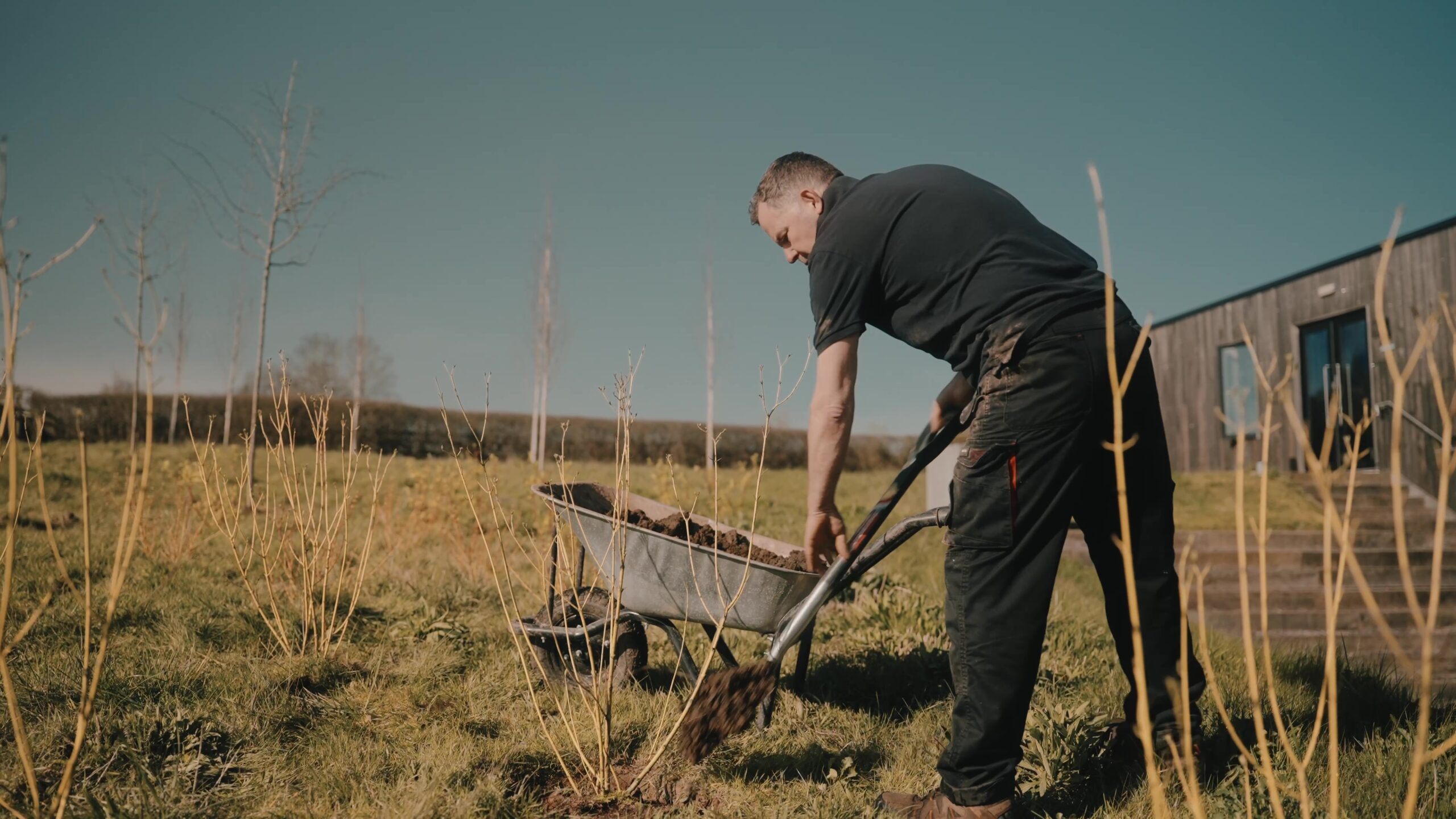
Andrew Morris is a garden designer and horticulturist with decades of experience. He has been working across the Artemis portfolio since 2018, and over the years our collaboration has grown across multiple venues, each with its own character, its own challenges and its own story to tell through its grounds.
In this article, you’ll read Andrew’s perspective on that work. He shares the thinking behind it, the complexity within it, and the standard he holds himself to, which, unsurprisingly, mirrors our own.
The story behind the grounds
The garden is part of something bigger
I’ve always believed that a great event is never the result of one thing done well. The food has to be gorgeous. The venue has to be exceptional. The service has to feel effortless. And the setting, including the grounds that frame it all, has to be ready. When every element is executed with the same care and attention, the total becomes so much greater than the sum of its parts. When even one element falls short, there’s room for disappointment, and that’s not something any of us can afford on someone’s most important day.
That philosophy shapes everything I do within the Artemis portfolio. Whatever the setup at each venue, I always work with the team on the ground. At Pelham House, it’s mainly me, visiting once a week, whereas other venues have dedicated grounds teams. I tend to come to support the on-site teams when something specific is needed. That sense of working as part of a team matters deeply to me. I’m not there just to tend the garden and leave. I’m there in support of people delivering something genuinely special, and I see myself as part of the Artemis vision, not simply an external contractor.
I actually have experience in running events myself. In the past, I worked at a Château in France, where I coordinated the weddings. The owner was adamant that we had to prepare the venue for the next morning before we went to bed, and weddings there often ran until four in the morning! It mattered deeply to him that when the shutters opened the next day, it looked like a Château again, not a party venue in recovery. That same thinking applies across every Artemis venue. The morning after a wedding, the space should be perfectly reset, as though it’s waiting for the next couple to walk through the door and fall in love with it.
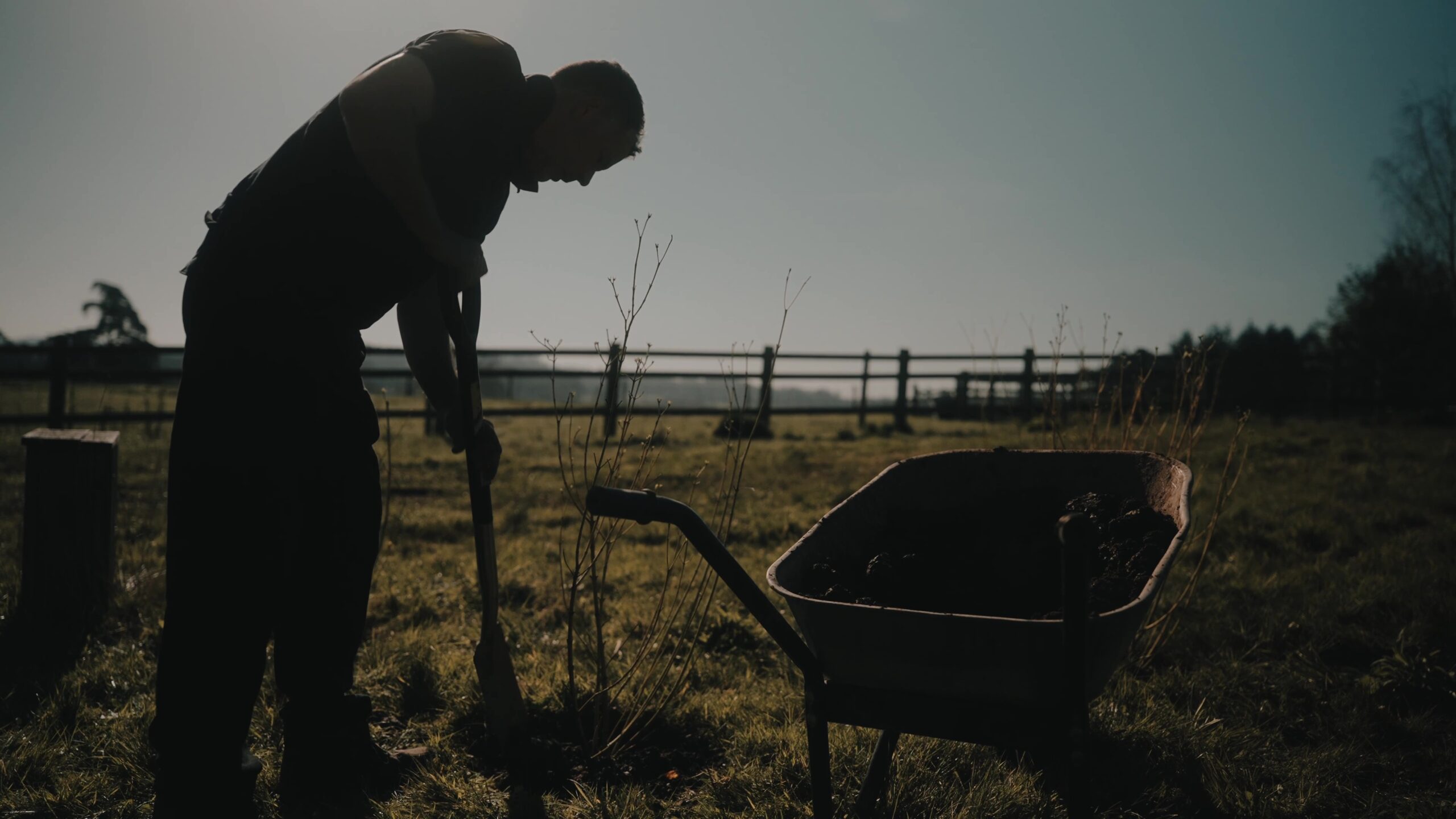
Andrew landscaping at Crumplebury in 2026.
Where it all began
A lot of the foundational work I did for Artemis happened at The Pear Tree, in the very early days after the venue was acquired. I designed the garden there, starting from what was essentially a building site.
I remember being there in February 2020, just weeks before everything changed. It was snowing, it was dark, and I was outside trying to plant with the gardener, Sam, while some of the Artemis team were inside trying to hold a meeting. I can only imagine what they thought of me!
And then lockdown happened. I had just spent a significant sum on plants for the venue, and there was nobody on site to care for them. One of the Artemis team happened to be living nearby, and I found myself directing him and his family remotely from home: “plant that there”, “move that one over there”, “actually, move it back over there”. It was completely mad! Then came an extraordinarily hot spring, and I spent weeks worrying that everything would simply die.
Thankfully, most of them survived. It actually reminded me that plants are remarkably resilient. Some of those plants went into near-solid builders’ rubble, and they are now among the healthiest-looking on the whole site. Because, counterintuitively, plants often thrive in poor soil. You lose things along the way, sometimes without ever knowing why, but with nature’s support, they generally find their feet.
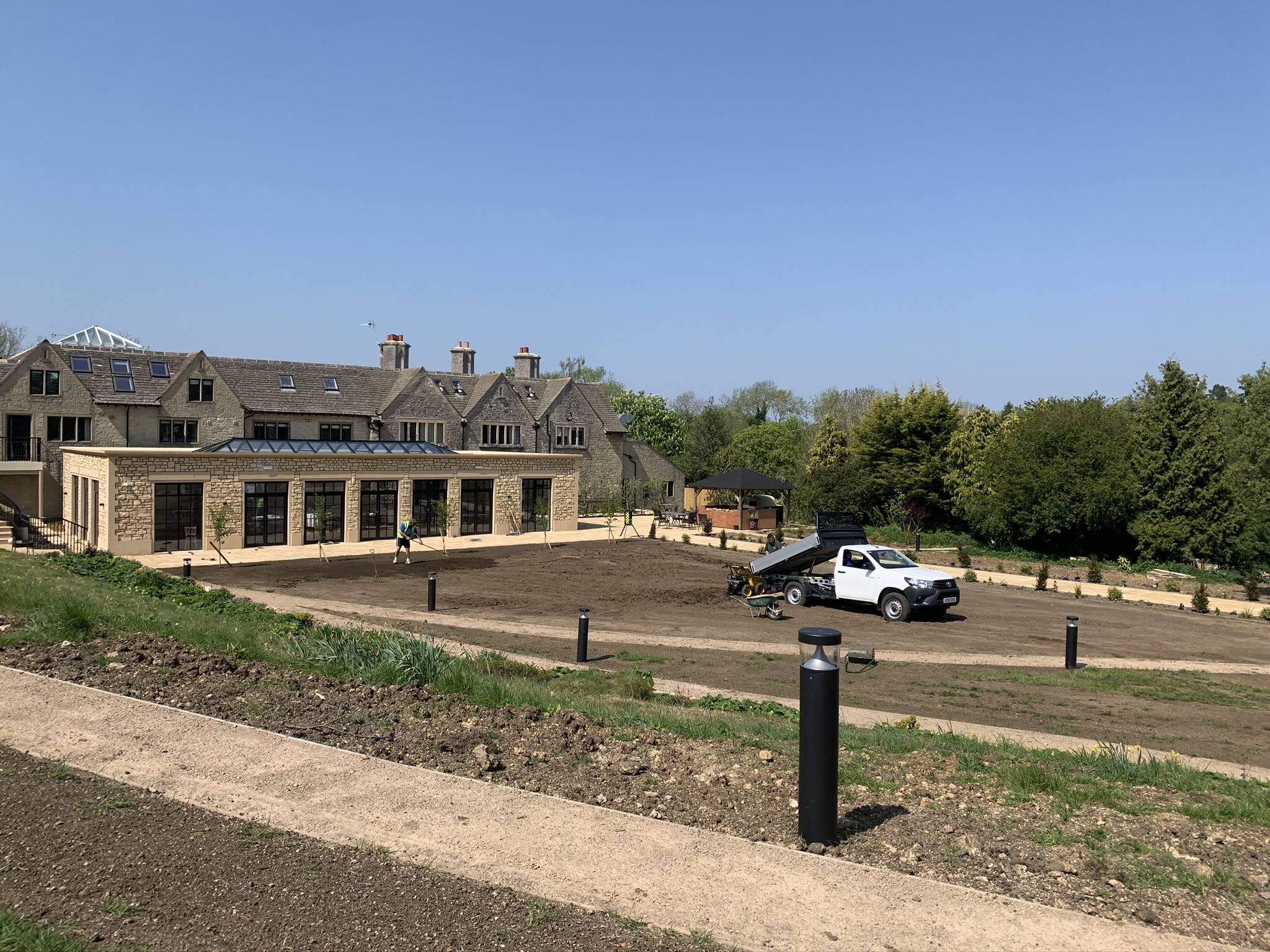
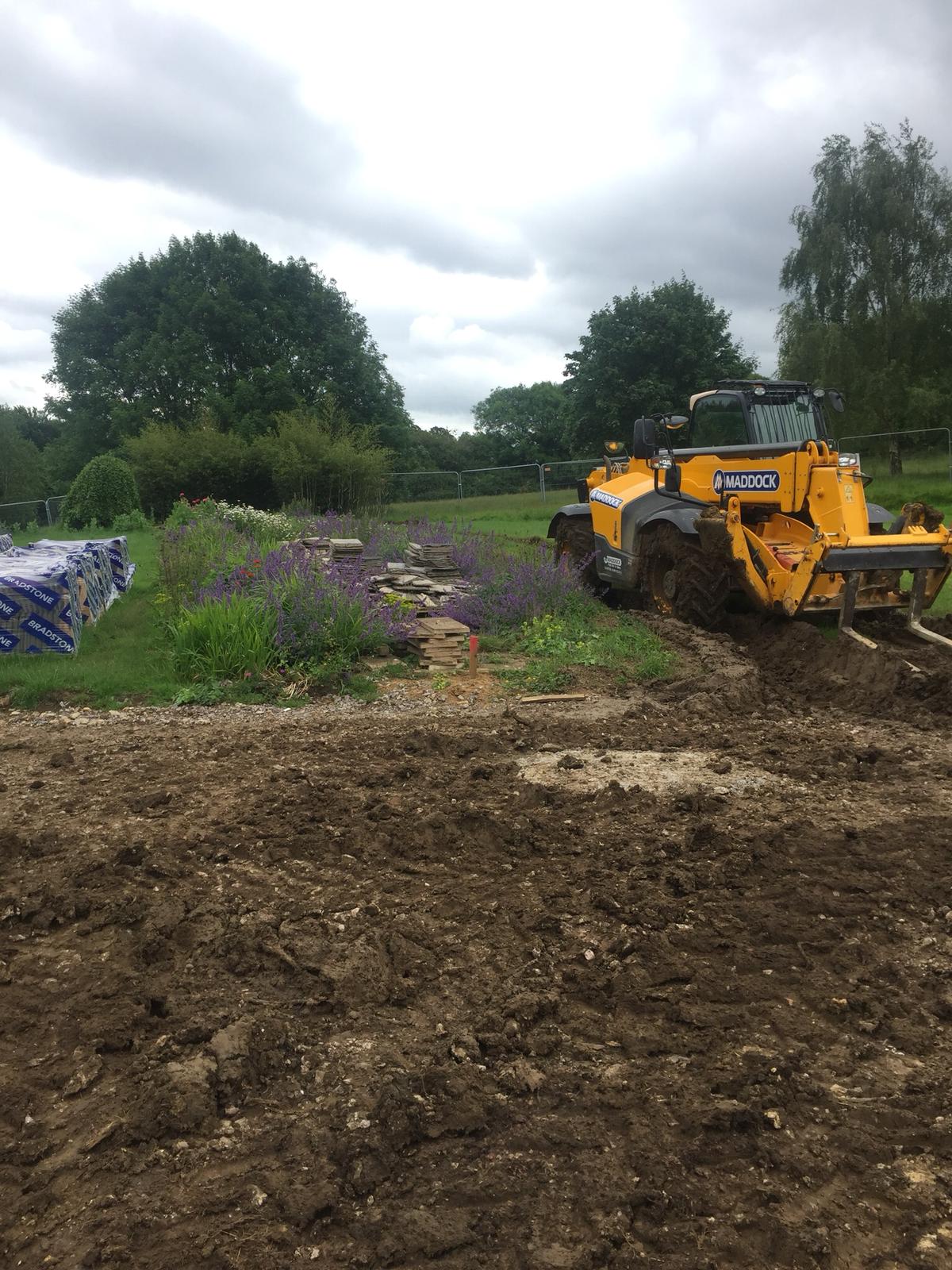
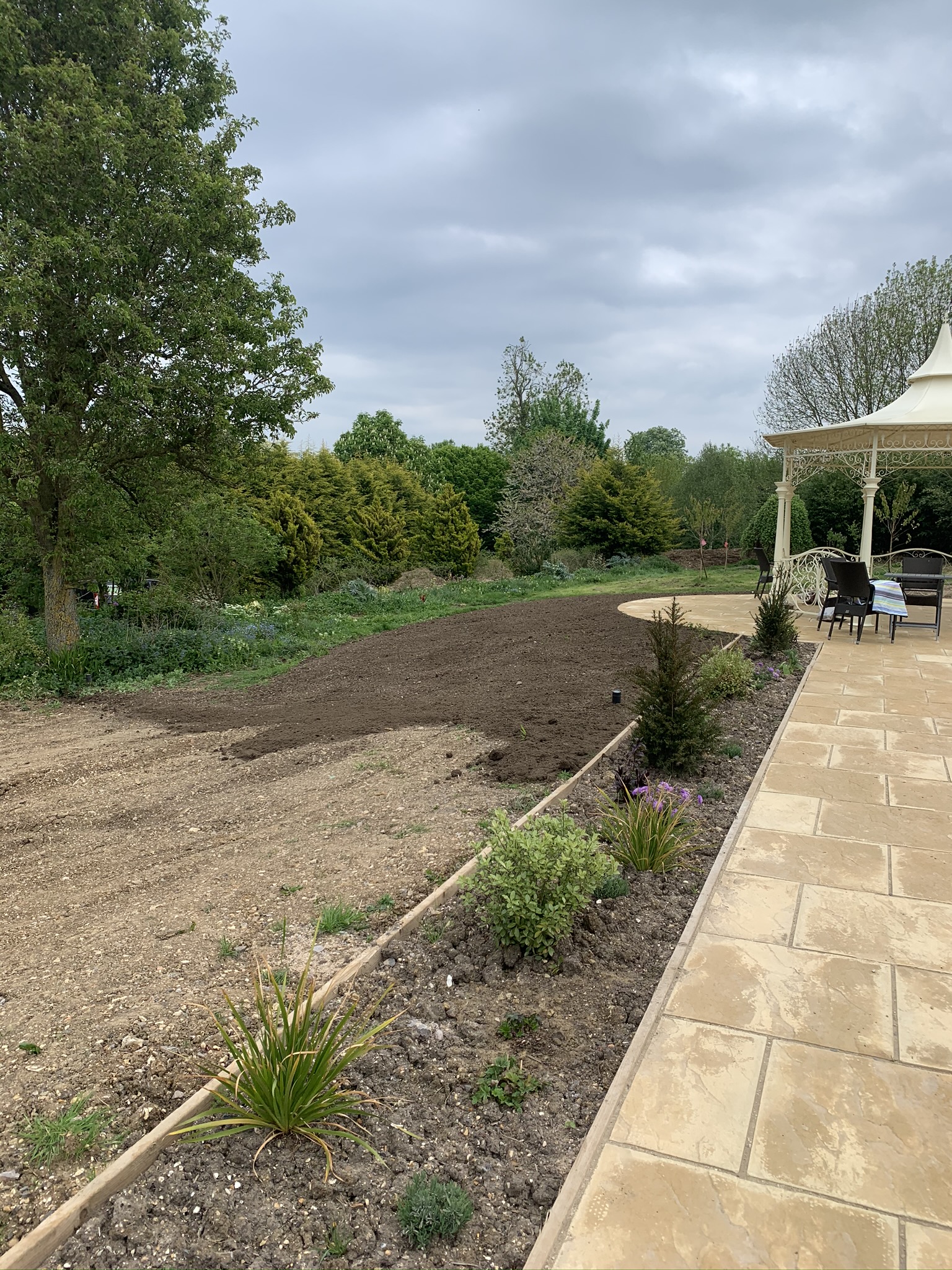
The Pear Tree during its extensive groundwork throughout 2019 & 2020.
Seasonal thinking is not optional; it’s the foundation
Across the Artemis portfolio, we host weddings and events year-round. That means every season has to be accounted for, every transition managed, every quiet month given the same thought as the peak ones. Seasonal interest is not a nice-to-have. It is critical.
My favourite time is late spring/early summer, specifically May and June, when the gardens come fully alive. Everywhere you look, you see Salvias, Foxgloves, Gaura with its wonderful lightness, and Geum in so many colours. Those high-summer flowers are almost seductive; they carry an energy that photographs beautifully and feels entirely in step with celebration.
But the less obvious seasons demand just as much expertise. In winter, the palette is smaller, but the discipline is greater as every planting decision has to work harder. The approach I use is one of illusion: creating pockets of seasonal interest that guide the eye towards exactly what you want people to see, and away from what’s lying dormant. My winter heroes are Hellebores, known as the Christmas rose, which offer extraordinary colour and elegance even against the darkest January day.
It might also surprise people to learn that August can be one of the more demanding months. Many plants have already gone over by then; things can look tired and dehydrated. Managing that well and ensuring there is always something of interest, whatever the conditions, is part of the ongoing craft that underpins the Artemis approach to its grounds.
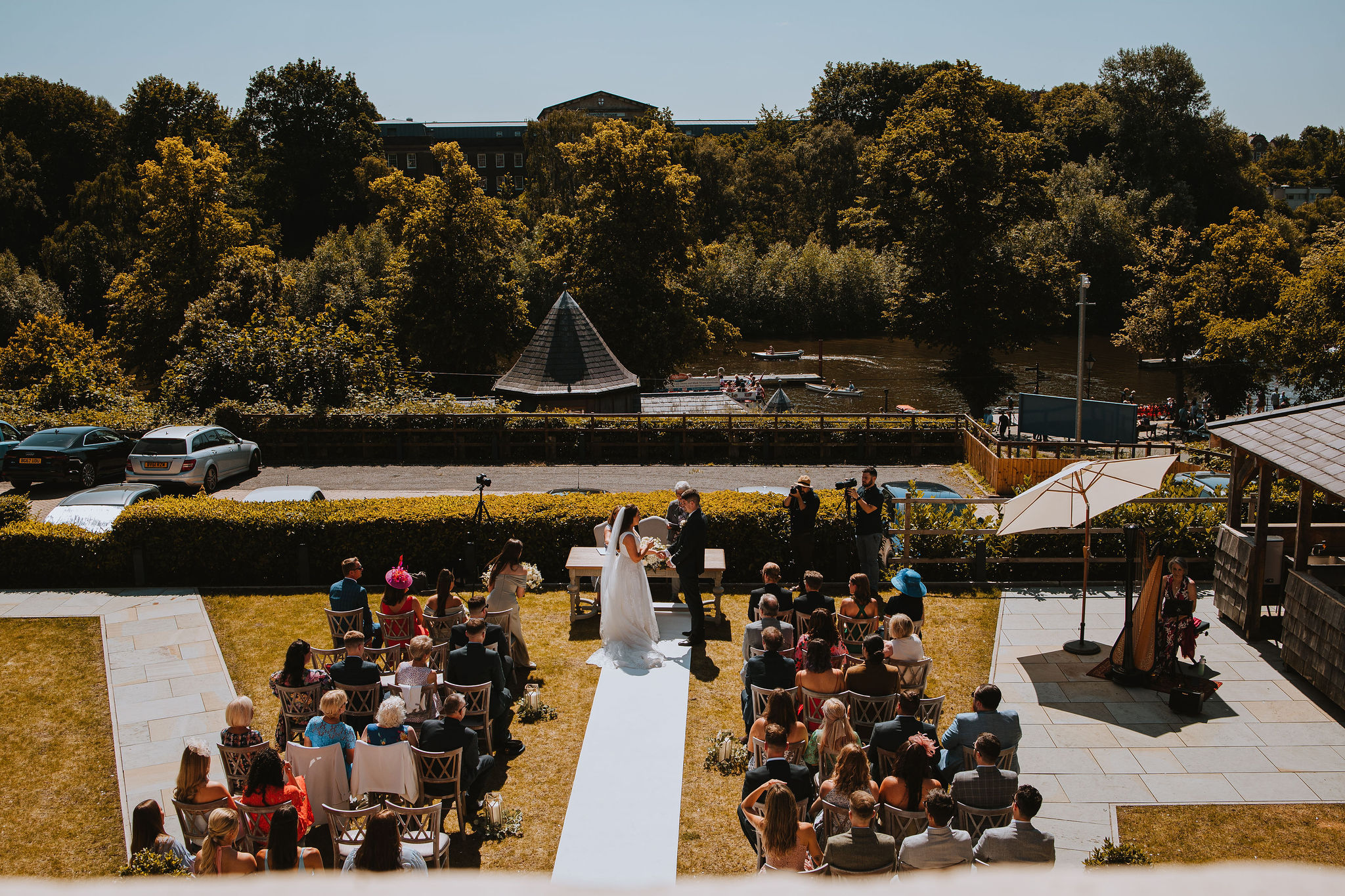
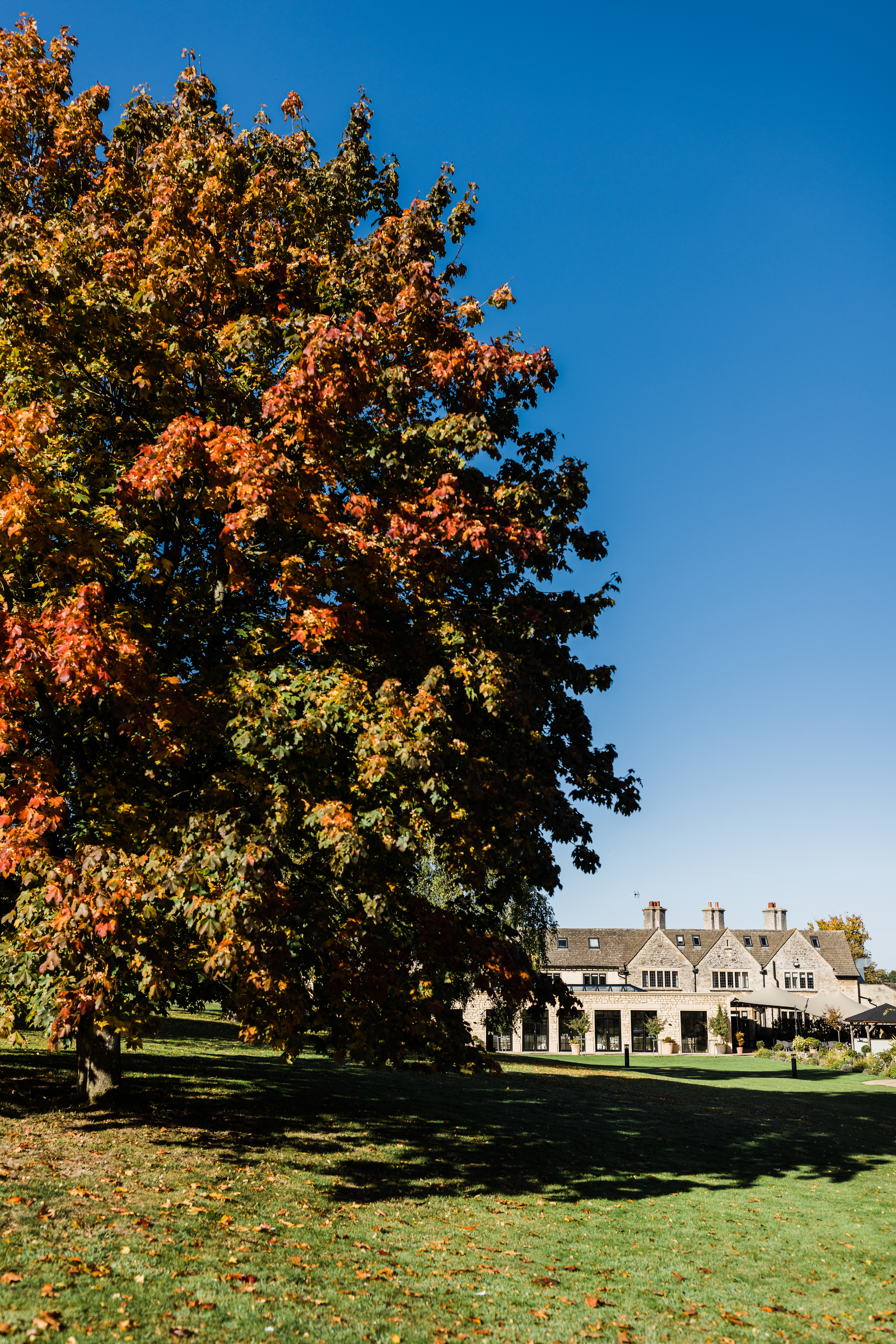
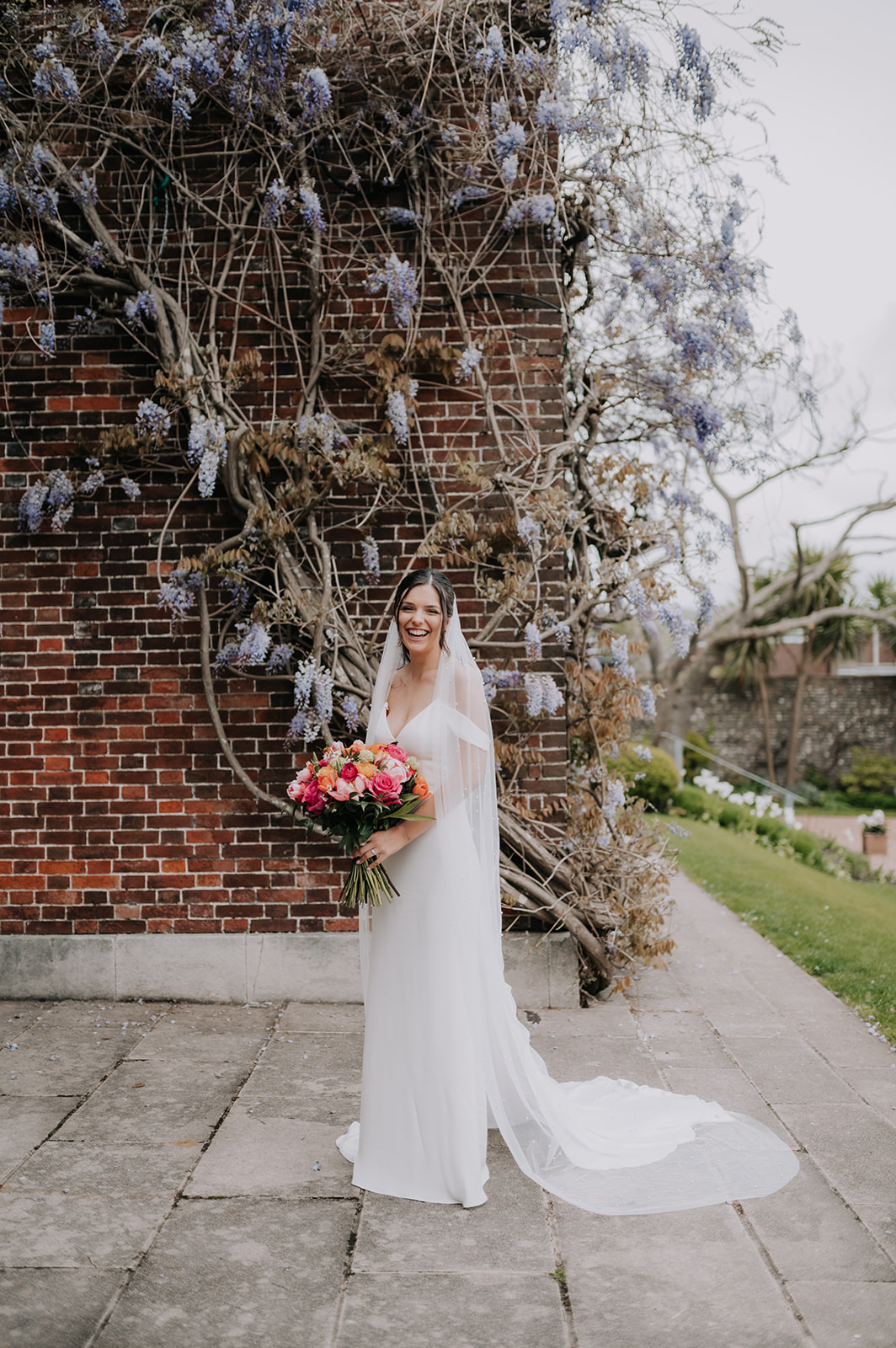
Venue grounds through the seasons.
Each venue is a different brief
One of the things that distinguishes the Artemis portfolio is that no two venues are the same, and the gardens reflect that, too. Each space demands a different approach, a different vocabulary, a different relationship between building and grounds.
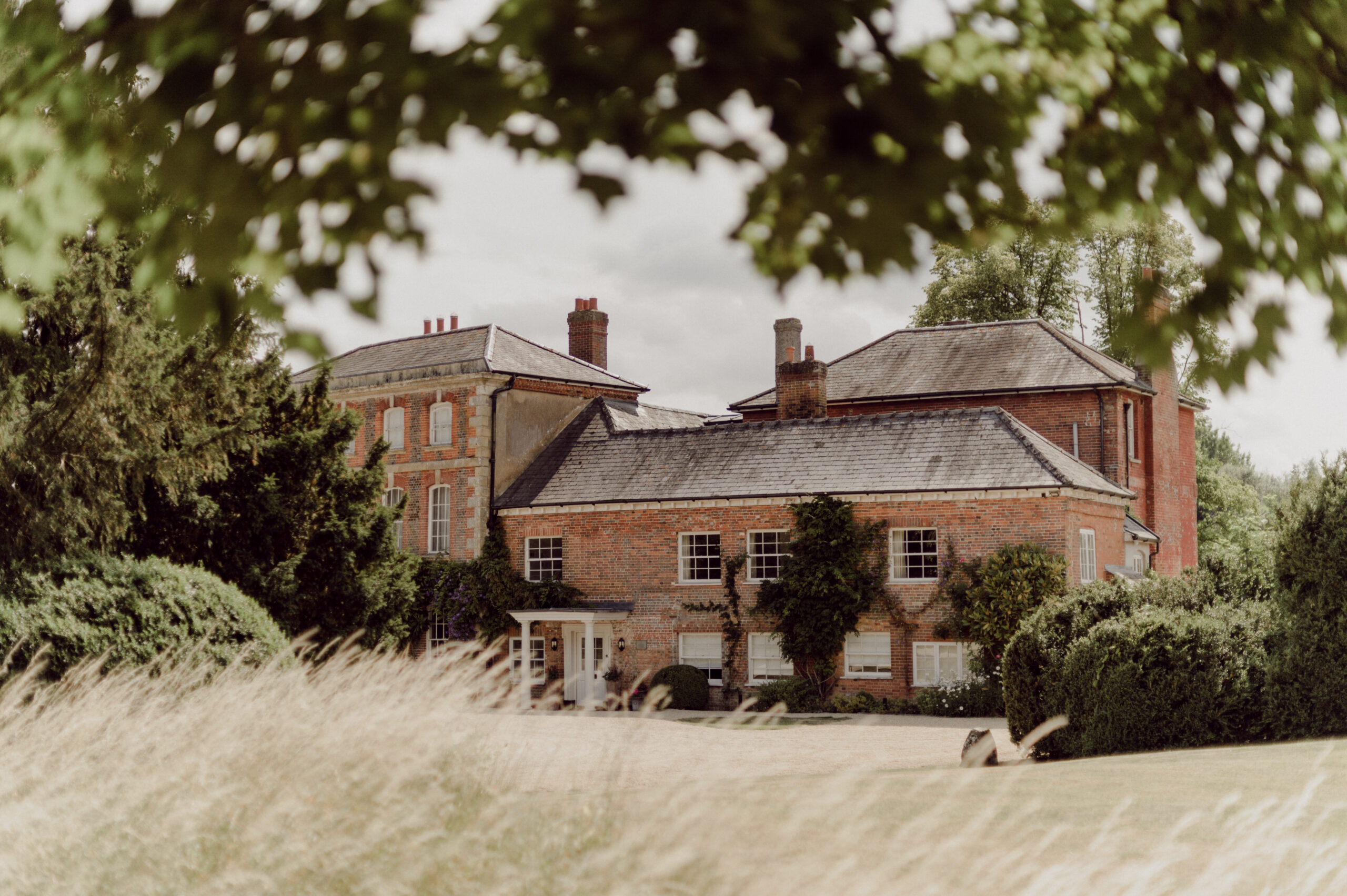
The starting point is always the architecture. The garden must have a meaningful connection to the building it belongs to; there’s no sense in imposing a style that doesn’t sit naturally within the setting. Pelham House is Georgian, with an inherent formality I find deeply appealing, softened by its location in Lewes, which has a coastal looseness all of its own. Old Palace Chester calls for something grander, more structured – it’s in the name! Syrencot carries the weight of its history and military significance, and the walled garden there feels entirely worthy of the house.
Crumplebury presented a completely different kind of challenge, which I found really exciting. The scale is so vast that a conventional garden across the whole site simply wasn’t feasible. The solution was to go bold: a small number of large, confident gestures rather than trying to fill every corner. That thinking led to the sweeping grasses and specimen trees, an approach inspired by the designer Piet Oudolf. It felt different to anything I’d done for Artemis before, and I think it’s all the stronger for that.
We also planted an orchard at Crumplebury, using Herefordshire and Worcestershire fruit trees. Most counties have their own fruit tree varieties, and using them is a quiet but meaningful connection to the landscape and its history. In time, I’d like to see that orchard providing fruit for couples’ menus and drinks, creating a genuine link between the grounds and the wider Artemis food-and-drink experience. But I also really love the idea of all the photo opportunities that orchards present – I’m envisaging children picking fruit, a couple pausing beneath the branches – the possibilities are endless!
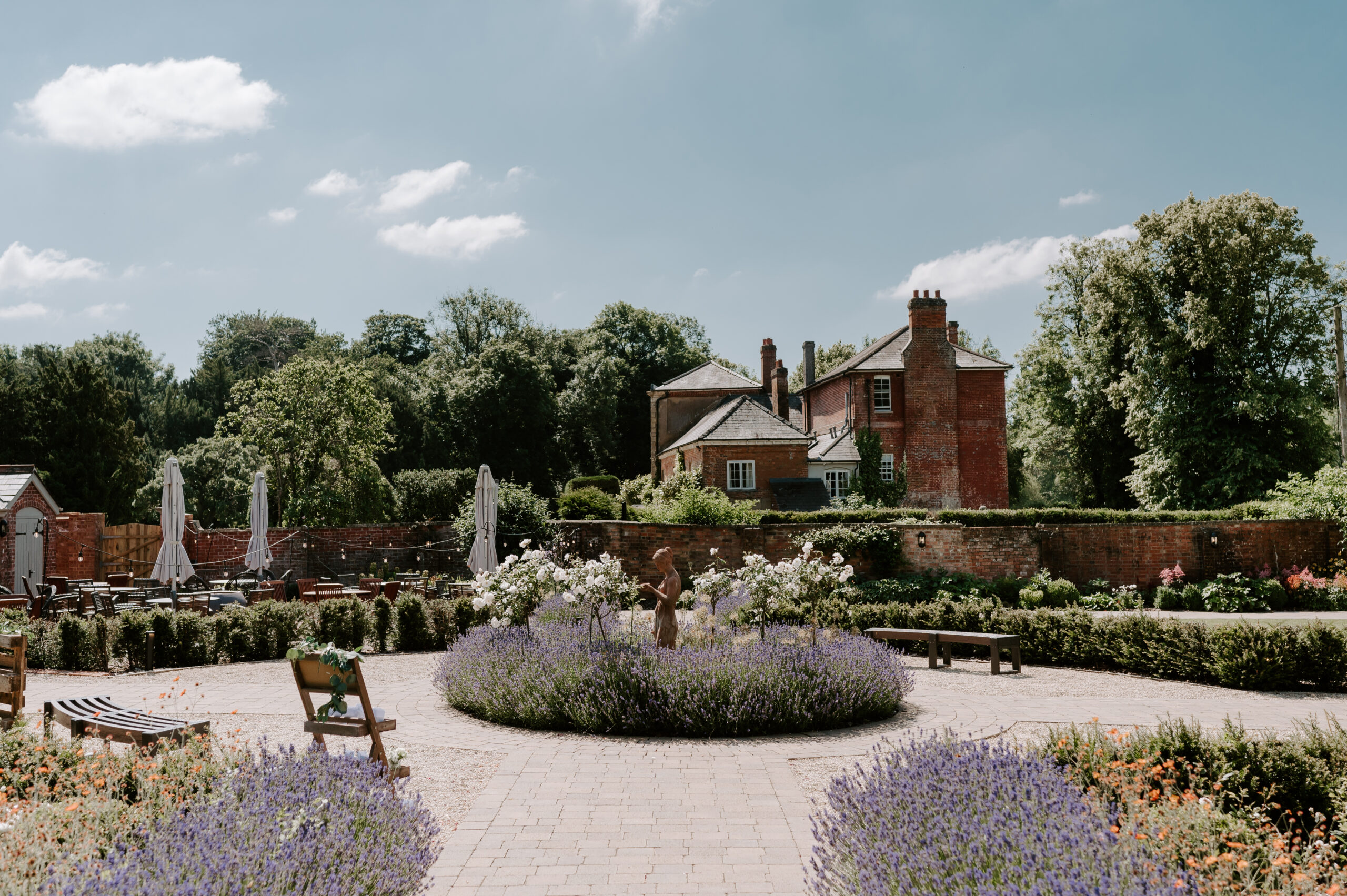
The Walled Garden at Syrencot.
Climate is the challenge no one can ignore
The changing climate is honestly our greatest challenge in the grounds right now. We are having to plan for summers that feel increasingly Mediterranean: long, hot and dry. At the same time, we’re managing winters of extraordinary rainfall. The same planting that thrives in drought conditions often can’t survive waterlogged ground. It has become genuinely difficult to work with a climate that no longer follows predictable rules.
The practical consequences are everywhere. When trees experience drought, they start shedding leaves early to reduce their demands. In a residential garden that’s manageable. In a wedding venue, where people have bought into a vision of what the garden will look like on their day, you have to be on it constantly. The lawn is its own ongoing battle, nobody wants to get married on a brown lawn. During last year’s drought, I was half-seriously considering painting it!
The wisteria at Pelham House illustrates the point. It’s one of the most beautiful features of the venue, and couples often book with that image firmly in mind. This year it flowered in April, almost three weeks ahead of schedule! For a couple planning a May wedding around that backdrop, it’s a real disappointment. We have to be honest about what can and can’t be promised, while making sure something of equal beauty is always ready to take its place.
What we can always commit to is this: the garden is always being watched. There will always be something of interest, something of colour, something that stops a guest in their tracks. The specifics shift, but that commitment remains the same.

This couple made the most of Pelham House’s garden, despite wet weather.
Wildlife is both an ally and an adversary
It might surprise people to learn that wildlife can be your worst enemy as much as your greatest ally. At The Pear Tree, for instance, we’re always worrying about deer. They come through and eat almost everything in sight, and however much the books will tell you about deer-tolerant plants, a deer will happily munch through something before deciding it doesn’t like it. We did lose some plants at The Pear Tree over the years, but as the venue got busier and more active, the deer gradually retreated further from the house and the formal planting.
Birds present a different kind of challenge. We have large trees and mature shrubs around the venues, but you can’t touch them until well into July to avoid disturbing nesting birds. That creates tension, because things can start to look a little unruly precisely when the garden needs to look its best. It requires patience and good planning.
Where possible, I try to work with nature rather than against it. I avoid chemicals in the ground wherever I can and harvest rainwater wherever possible. And the broader principle I believe in is simple: get the right plant in the right place, and trust it to find its own way.
Sustainability runs through everything we do in the grounds
Sustainability is really important to me; it’s woven into the way I work, which sits naturally alongside Artemis’s wider commitments in this area. The thought of treating a plant as purely seasonal bothers me deeply. Whatever goes into a display at one of our venues, I’m already thinking about where it will go in the borders afterwards. Nothing gets discarded simply because its moment in the spotlight has passed.
Composting is something I introduce wherever I work. At Pelham House, there are several bays running at any one time, and the satisfaction of spreading that compost back into the ground each autumn is hard to overstate. I bring leftover materials from other projects to the venues rather than sending them to waste. A project I’m currently working on at Pelham House is built using slates reclaimed from my own roof! I’m setting them into gabions backfilled with salvaged rubble, creating changes in level without reaching for concrete, which I avoid wherever possible. Concrete is a permanent solution to what may turn out to be a temporary problem. Gardens should offer flexibility that buildings cannot.
Tom, the gardener at Syrencot, always observes ‘No Mow May’, an annual conservation campaign that encourages gardeners to forgo mowing throughout May, allowing grasses and native wildflowers to grow and supporting our pollinators. This year, I’ve introduced elements of it at Pelham House. In a formal garden setting, you can’t abandon the mower entirely, but I’ve designated a strip at the bottom of the garden to grow freely, with a crisp, clean edge to make the intention clear. It’s already producing wildflowers. Chaos within a defined boundary. That, I can work with.
Syrencot’s Head Gardener, Tom, embraces ‘No Mow May’.
The detail is the point
Gardens bring people together in a way that very little else does. Even the most reluctant gardener still wants to be in a garden, sitting with a drink, a moment of quiet, just breathing. That connection to outdoor space is fundamental to our wellbeing, and it’s why the work of getting it right matters so much.
At Artemis, we talk a great deal about the experience: how it feels to arrive, to be cared for, to have every detail anticipated before you knew you needed it. The garden is part of that experience in a way that is easy to overlook and impossible to fake. It requires knowledge, consistency, seasonal planning, and an understanding of each venue’s individual character. But most importantly, it requires a genuine commitment to showing up week after week, in all weathers, to make sure it’s right.
In a way, the highest compliment a garden can receive is to go almost unnoticed. When no one mentions the garden, it’s usually because it’s doing exactly what it should: quietly holding up the experience, without demanding attention and never detracting from the day. That being said, recently, some guests at Pelham House stepped outside the morning after a wedding and spotted me working in the garden. They described the ‘wow’ moment that they got when they stepped out of the back garden doors. Moments like that are the reason I love what I do.
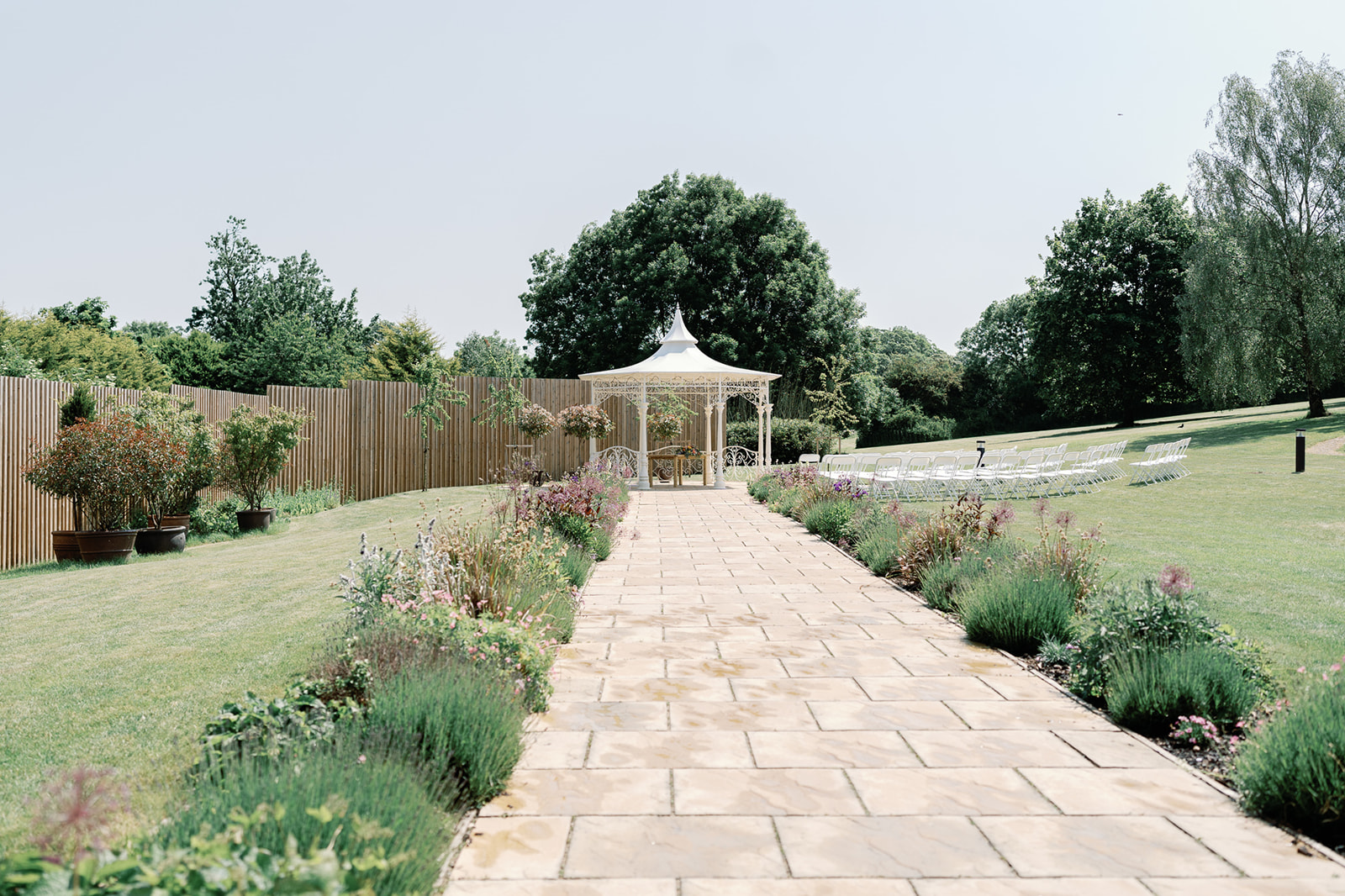
Andrew designed the outdoor ceremony area at The Pear Tree to beautifully frame the aisle.
Quick-fire round
Andrew’s top five quick-fire tips for creating a garden that works for weddings and events
- 1. Plan for every season, not just the peak ones
Whatever the time of year, there always has to be something of interest. Winter heroes like hellebores, strong structure in autumn, energy and colour in late spring. A wedding garden has to work twelve months of the year, and that requires planning well in advance.
- 2. Let the building lead
The garden should always have a meaningful connection to the architecture it belongs to. Start with the building, understand its character and period, and let that inform every design decision. The garden should feel like it belongs, not like it arrived from somewhere else.
- 3. Aim to be noticed for the right reasons
Of course, I love the garden to be complimented, but the important baseline for me is that it never receives criticism. If nobody is mentioning the garden, it means it’s supporting the event without ever detracting from it. That’s a standard, and of course, it’s lovely to know that the garden has also helped to enhance the occasion.
The garden is only one part of the guest experience. The people presenting it on show rounds on a wet Tuesday are just as important as the planting. How they talk about the grounds, where they guide visitors, and how they manage expectations on a difficult weather day all shape how the garden lands.
- 5. Be honest about what nature can and can’t promise
Couples often fall in love with a specific image, whether that’s the wisteria in full bloom, or the orchard in autumn colour. As the climate becomes less predictable, those moments are harder to guarantee, so be upfront about it. What you can always promise is that the garden will be cared for, considered and at its best given the conditions. That commitment and honesty builds more trust than any photograph.
About the author
Andrew Morris
Garden Designer

Garden Designer
Andrew Morris is a garden designer and horticulturist based in Sussex, with decades of experience spanning premium retail, large-scale event management and private garden design. He has been working across the Artemis venue portfolio since 2018, shaping the grounds at venues across the portfolio.